-

OBIS is an outdoor program that offers young people fun and challenging opportunities to investigate ecological relationships in their local environment.
Outdoor Biology Instructional Strategies (OBIS) was developed in the 1970s at the Lawrence Hall of Science to help adults (teachers, parents, community leaders) take young people outdoors to experience ecological principles in their local area. The 97 OBIS activities, which increase environmental awareness, can be used individually or in combination. These simple experiences then act as a gateway for children and adults to explore and understand their local environment.
-
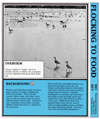
Flocking to Food
View this activityUsing a variety of "beaks" (trowels, spoons, sticks), participants hunt for organisms that a bird might eat.
-
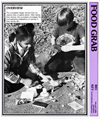
Food Grab
View this activityDesign devices that can capture prey or gather plants. After testing the devices, investigate the food-gathering adaptations of animals in their activity site.
-
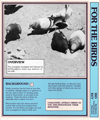
For the Birds
View this activityInvestigate bird behavior by feeding pigeons, ducks, jays, sparrows or sea gulls.
-
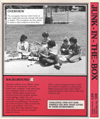
Junk-in-the-Box
View this activityDiscover which kinds of man-made litter provide animals with food or shelter. Participants then make a value judgment about litter.
-
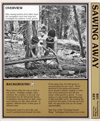
Sawing Away
View this activityAfter sawing sections from fallen logs, count tree rings and study the patterns of tree growth.
-
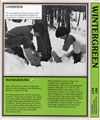
Wintergreen
View this activityFind green plants under the snow and determine the light and temperature conditions around those plants.
-
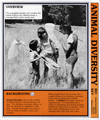
Animal Diversity
View this activityUsing sweep nets, the youngsters sample and compare the insects living in two different areas: a managed lawn and a weedy area.
-
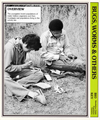
Bugs, Worms & Others
View this activityTeams invent populations of make-believe organisms and then investigate real populations living in their activity site.
-
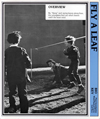
Fly a Leaf
View this activityBy "flying" and racing leaves along lines, participants find out which leaves catch more wind.
-
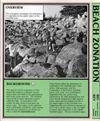
Beach Zonation
View this activityInvestigate the distribution of organisms in a rocky intertidal zone.
-
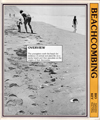
Beachcombing
View this activitySearch for evidence of animal and plant life as beachcombers on a sandy beach and speculate on the origins of their finds.
-
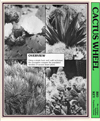
Cactus Wheel
View this activityIn this introduction to the desert, teams design OBIS scavenger hunts for each other.
-
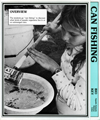
Can Fishing
View this activityBy going "can fishing," the students discover the kinds of aquatic organisms that live in and on submerged cans.
-
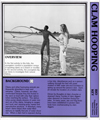
Clam Hooping
View this activityThe participants conduct a population census of squirting clams on a beach or mudflat, and investigate the clams' natural history.
-
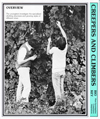
Creepers and Climbers
View this activityThe participants investigate specialized climbing structures and growth patterns of different vines.
-
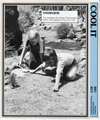
Cool It
View this activityBy taking advantage of the temperature variations in their site, the youngsters try to keep their "thermometer lizards" from overheating or getting too cold.
-
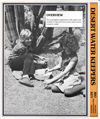
Desert Water Keepers
View this activityExperiment with paper leaf models to find out how different desert plants conserve water.
-
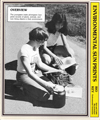
Environmental Sun Prints
View this activityMake photogram records of plants, plant parts, animals, or nonliving objects in their environment.
-
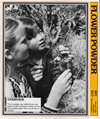
Flower Powder
View this activityUse artificial bees and paper models of flowers to find out how bees transfer pollen from one flower to another.
-
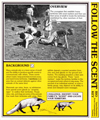
Follow the Scent
View this activityUsing scent markers to delineate home territories, discover one way animals use their sense of smell.
-
Gaming in the Outdoors
View this activityBy going on a modified scavenger hunt, participants increase their awareness of the variety in their environment.
-
-
Hold It
View this activityAfter making a cork or sponge "creature" that can hold on against water current, participants investigate the holding adaptations of real organisms.
-
Hopper Circus
View this activityAction Cards challenge participants to investigate the behaviors of hopping animals (beach hoppers, grasshoppers, frogs and others).
-
Hopper Herding
View this activityRound up a "herd" of hopping insects (grasshoppers, crickets, and katydids) and find out how many different kinds are in their herd.
-
Leaf Living
View this activityHide and navigate in a pile of leaves to experience the environment of animals that live in fallen leaves.
-
Lichen Looking
View this activitySearch for lichens and learn about their habitats, shapes and colors.
-
Logs to Soil
View this activityAfter cutting through and investigating rotten logs, teams make log-profile puzzles for each other.
-
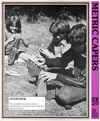
Metric Capers
View this activityUse metric units of measurement to measure various objects in their environment.
-
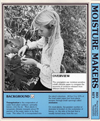
Moisture Makers
View this activityTest different kinds of leaves with cobalt chloride paper. The paper's color changes allow participants to compare the amounts of moisture released from different leaves.
-
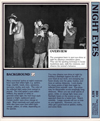
-
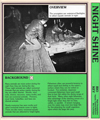
Night Shine
View this activitySearch for aquatic animals that are active at night and then investigate the animals' responses to light.
-
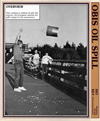
OBIS Oil Spill
View this activityUsing popcorn to simulate an oil spill, estimate the "spill's" impact on the environment.
-
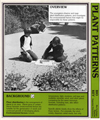
Plant Patterns
View this activityObserve and map plant-distribution in a study site, and investigate the environmental factors that might be responsible for these patterns.
-
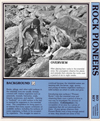
Rock Pioneers
View this activityAfter placing bare rocks in the intertidal zone, participants keep track of the plants and the animals that colonize the rocks over a period of weeks.
-
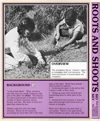
Roots and Shoots
View this activityIdentify “mystery plants” by digging up weeds, examining their roots, comparing them to other plants, and thinking about the plant as a functioning system.
-
Scent Tracking
View this activityUsing spray misters and liquid extract to simulate prey scents, the kids play a game in which predators track a prey by following its scent.
-
Scram or Freeze
View this activityAfter being introduced to "scram" and "freeze" escape behaviors in a game, investigate the escape behaviors of animals that live under logs and rocks.
-
Seas in Motion
View this activityUse tennis balls, water balloons, and other simple devices to investigate the movements and currents of the sea.
-
Shake It!
View this activityTry to find a community that matches a "mystery community" by shaking the animals out of different trees and shrubs.
-
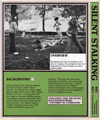
Silent Stalking
View this activityBy playing a nighttime game, explore the importance of silent stalking skills to predators and the importance of sound detection to prey.
-
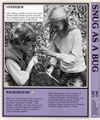
Snug as a Bug
View this activityMake homes for imaginary insects, and then search for actual animals' constructions in and on leaves.
-
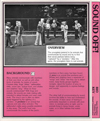
Sound Off!
View this activityPretend to be animals that communicate by sound and try to find secret partners before being "captured" by a "predator." After this game, participants listen to real animals.
-
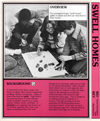
Swell Homes
View this activityLocate "swell homes" (galls) on plants and find out what lives in those homes.
-
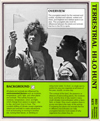
Terrestrial Hi-Lo Hunt
View this activitySearch for range of several abiotic factors (temperature, wind, moisture, and light) in an area, and look for differences between the plants and animals that live in the Hi-Lo spots.
-

The Old White Sheet Trick
View this activityDiscover how light affects insects' behavior by attracting night-flying insects to a brightly lit surface and conducting other light-related experiments.
-
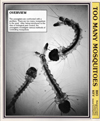
Too Many Mosquitoes
View this activityLearn about biological control by finding predators that eat mosquito larvae.
-
-
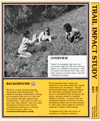
Trail Impact Study
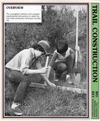
View this activityTeams attempt to lay out the course of a footpath that will have the least amount of impact on the environment.
-
-
Variation Game
View this activityBy playing simple games, investigate variations between individuals.
-
Water Breathers
View this activityInvestigate the currents created by aquatic animals when they breathe and move.
-
Water Snails
View this activityDiscover preferred habitats of snails by marking, releasing, and later recapturing water snails.
-
-
-
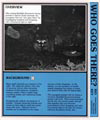
Who Goes There?
View this activityUse a portable flashlight and fluorescent bait to find evidence of animals active at night.
-
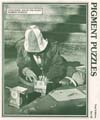
Pigment Puzzles
View this activityUse chromatography to explore leaf and flower colors, and to solve natural "pigment puzzles."
-
Animals in a Grassland
View this activityIn this introductory activity, use sweep nets to sample the variety of animals living in lawns.
-
Bird Nests
View this activityAfter constructing bird nests, participants place the nests in their site and try to locate and identify each other nests.
-
Crawdad Grab
View this activityThe youngsters explore crawdad behavior by building crawdad traps and "fishing."
-
Damsels and Dragons
View this activityInvestigate damselfly and dragonfly perching behavior, and discover how these "D-flies" react to flying decoys.
-
Great Steamboat Race
View this activityDiscover the rate and direction of currents by creating stream cork boats for a Great Streamboat Race.
-
Invent an Animal
View this activityDesign "animals" that blend into local habitats and then search for other youngsters' "animals."
-
Leapin' Lizard
View this activityBy using a special "lizard rig," participants investigate lizard feeding behavior and interactions.
-
Cardiac Hill
View this activityUsing heart rate as an indicator, the youngsters establish the maximum steepness for a footpath.
-
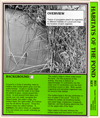
Habitats of the Pond
View this activityTeams hunt for organisms in different areas of a pond or lake. The term habitat is introduced.
-
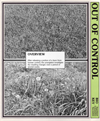
Out of Control
View this activityRelease a portion of lawn from human control and then observe the resulting changes over the next few months.
-
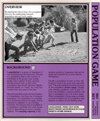
Population Game
View this activityIn a feeding game, participants find out how many deer can survive in a herd's "home range."
-
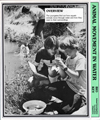
Animal Movement in Water
View this activityObserve how aquatic animals move through water and how they react to their surroundings.
-
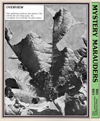
Mystery Marauders
View this activityGather evidence that plants in the activity site are being eaten and try to identify the plant eaters.
-
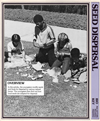
Seed Dispersal
View this activityFind seeds, observe where they came from, discover how they are adapted for travel, and then modify a seed to model dispersal adaptations.
-
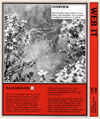
Web It
View this activityInvestigate the behavior of spiders with the aid of spray misters, straws, and sweep nets.
-
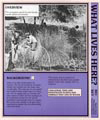
What Lives Here?
View this activityDiscover the plants and animals that live in and around a water environment.
-
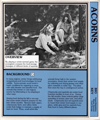
Acorns
View this activityCompare the winter food-storage strategies of squirrels by playing a survival game.
-
-
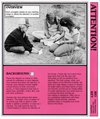
Attention!
View this activityExplore visual communication by creating an eye-catching design to attract a specific member of the group.
-
-
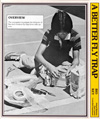
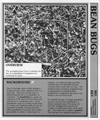
A Better Fly Trap
View this activityInvestigate the behavior of flies and construct flytraps from milk cartons.
-
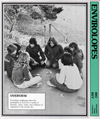
Envirolopes
View this activityEnvirolopes, a treasure hunt in a legal sized envelope, challenges a collector to experience a place by stimulating observations and provoking thinking.
-
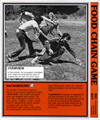
Food Chain Game
View this activityInvestigate food chains by assuming the roles of animals that are part of a food chain.
-
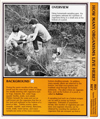
How Many Organisms Live Here?
View this activityUsing homemade sampling gear, participants estimate the numbers of organisms living in a small section of a pond.
-
Invent a Plant
View this activityConstruct models of plants that are adapted to living under specific environmental conditions.
-
Jay Play
View this activityAfter discovering the food-color preference of jays, try to change this preference by salting the food of that color.
-
Litter Critters
View this activityAfter searching for small animals living in the ground, use the OBIS Litter Critter Wheels to "match" the catch.
-
Mapping a Study Site
View this activityUsing a mapping technique, become familiar with the major features of their activity site.
-
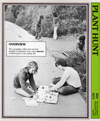
Plant Hunt
View this activityParticipants collect and sort leaf samples to determine how many species of plants grow in the activity site.
-
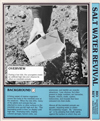
Salt Water Revival
View this activityDuring a low tide, create an artificial high tide and observe its effects on marine animals.
-
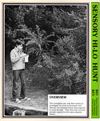
Sensory Hi-Lo Hunt
View this activityUse only senses to find the extremes of several environmental variables: wind, temperature, light, slope and moisture.
-
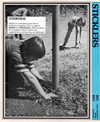
Sticklers
View this activityPlay a simulation game exploring concepts of habitat and distribution, then discover where real organisms live and how they are distributed.
-
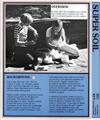
Super Soil
View this activityUse a simple alum-profile test to compare local soils with a commercial garden mix for organic content.
-
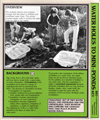
Water Holes to Mini-Ponds
View this activityObserve and compare changes that take place in unfertilized and fertilized water holes. This activity requires regular visits to monitor the water holes for eight to ten weeks.
-
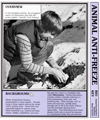
Animal Anti-Freeze
View this activitySearch for a hibernation site that will protect a make-believe animal from freezing.
-
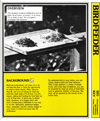
Birdfeeder
View this activityConstruct birdfeeders and set them up at home, at school, or at camp, and investigate bird behavior.
-
Isopods
View this activityInvestigate two kinds of isopods and discover differences in their body structure and behavior.
-
Plants Around the Building
View this activityDiscover how the environment around a building affects the growth of plants.
-
Attract a Fish
View this activityExplore the behavior of minnows by "fishing" with a variety of potential baits and lures.
© 2017 The Regents of the University of California